
What the course actually asks of you
Color analysis is a skill built through repetition and calibrated observation — not passive reading. The program is structured around short focused sessions that fit around a working schedule, but it does require consistent engagement over several weeks.
Time per week
Around 4–6 hours across lessons, practice exercises, and short quizzes. Modules stay under 20 minutes each.
Format
Self-paced with structured checkpoints. No live sessions required — progress at your own pace within each module.
What you walk away with
A certificate of completion and a working method — not a shortcut, but a repeatable process you can apply independently.
A specific kind of student fits here
Color analysis attracts a wide range of people, but the program is built for a particular type of learner. Honest self-identification at this stage saves time for everyone — including you.
Good fit
- You already work with clients on appearance — styling, photography, makeup — and want a structured framework to replace guesswork.
- You are curious about color theory and have noticed that certain tones affect how people look in photos or in person.
- You want a skill you can apply to yourself first, then eventually offer as a professional service.
- You are comfortable learning through visual exercises — comparing swatches, analyzing undertones, making judgment calls.
Probably not the right fit
- You are looking for a quick certification with minimal effort — this program takes sustained attention over several weeks.
- You expect the course to give you exact answers for every case — color analysis involves trained judgment, not fixed rules.
- You have no prior interest in visual aesthetics, fashion, or image consulting — motivation matters here.
- You need results within days — the method takes time to internalize before it becomes reliable.

A selection of what the program covers
Each module builds on the previous — the sequence is deliberate, not arbitrary.

Reading undertones
How to identify warm, cool, and neutral undertones in skin — and why the same color reads differently on different people.

Seasonal typing method
The four-season framework, its 12-type extension, and how to use draping as a practical diagnostic tool.
Palette application in real contexts
Moving from a typed palette to actual wardrobe and makeup decisions — including how to handle edge cases and mixed-type clients.
Where the skill takes you after the course ends
Color analysis is one of the few image-related skills that compounds over time. The more you practice it — on clients, on yourself, in daily observation — the faster and more accurate your reads become. Most graduates report that the method only starts feeling natural around the 30th or 40th real-world application.
It also opens a specific professional path. Trained color analysts are in demand among personal stylists, photographers, and makeup artists who want to offer a more structured client experience. The credential is not a guarantee of work — but it is a credible differentiator in a field where most practitioners rely on intuition alone.
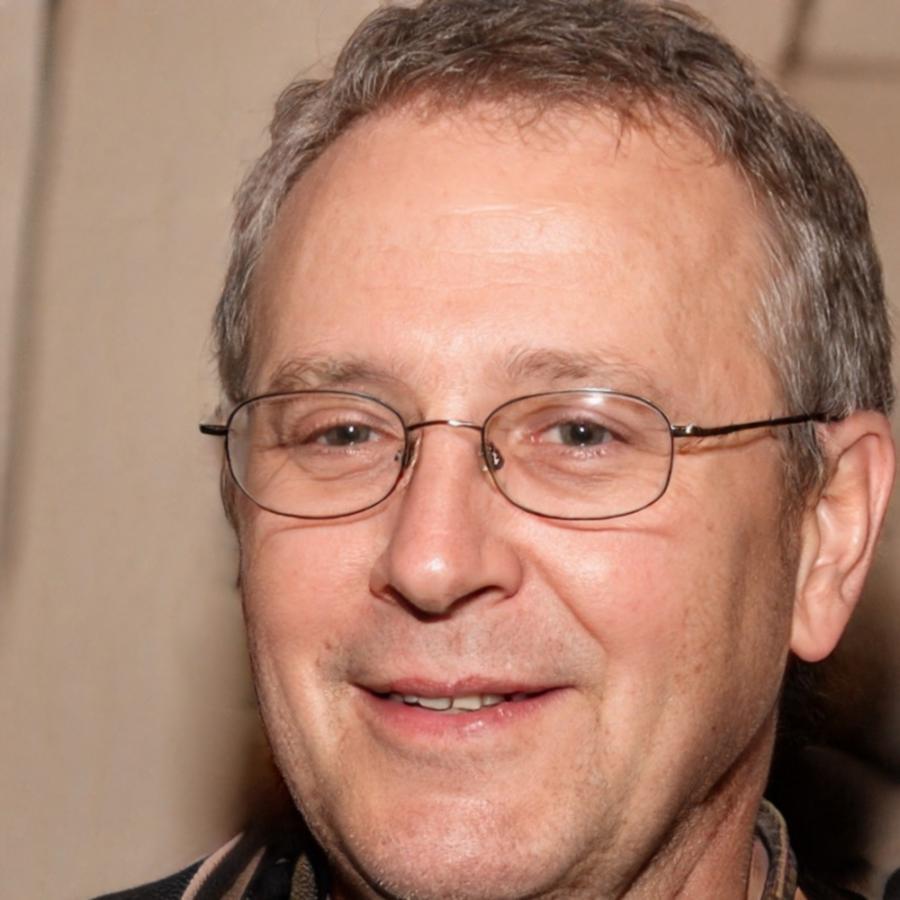
Ostap Hrynevych
Lead instructor · Color analysis
"The students who get the most out of this are the ones who start applying it before they feel ready. That discomfort is where the actual learning happens."
You finish with a working method
Not just theoretical knowledge — a repeatable process for analyzing any person's coloring, documented and practiced through the course exercises.
The certificate holds weight in context
Issued by Sryto Tvexo, recognized within the Ukrainian image consulting community. Useful as a credential when working with clients professionally.
Access to the graduate network
Graduates join a closed forum where active practitioners share edge cases, tricky client examples, and ongoing calibration exercises.
A foundation for continued study
Color analysis connects directly to makeup theory, wardrobe architecture, and personal branding — natural next steps for those who want to go further.